Seepage is a common issue that can affect both residential and commercial properties, often leading to significant structural damage if left unaddressed. The primary causes of seepage typically stem from water infiltration through the soil surrounding a building. This infiltration can occur due to various factors, including heavy rainfall, melting snow, or poor drainage systems.
When the ground becomes saturated, water pressure increases, forcing moisture through cracks in foundations, walls, or floors. Additionally, the type of soil surrounding a property plays a crucial role; clay soils, for instance, retain water more effectively than sandy soils, leading to higher risks of seepage. Another significant contributor to seepage is the design and condition of a building’s drainage system.
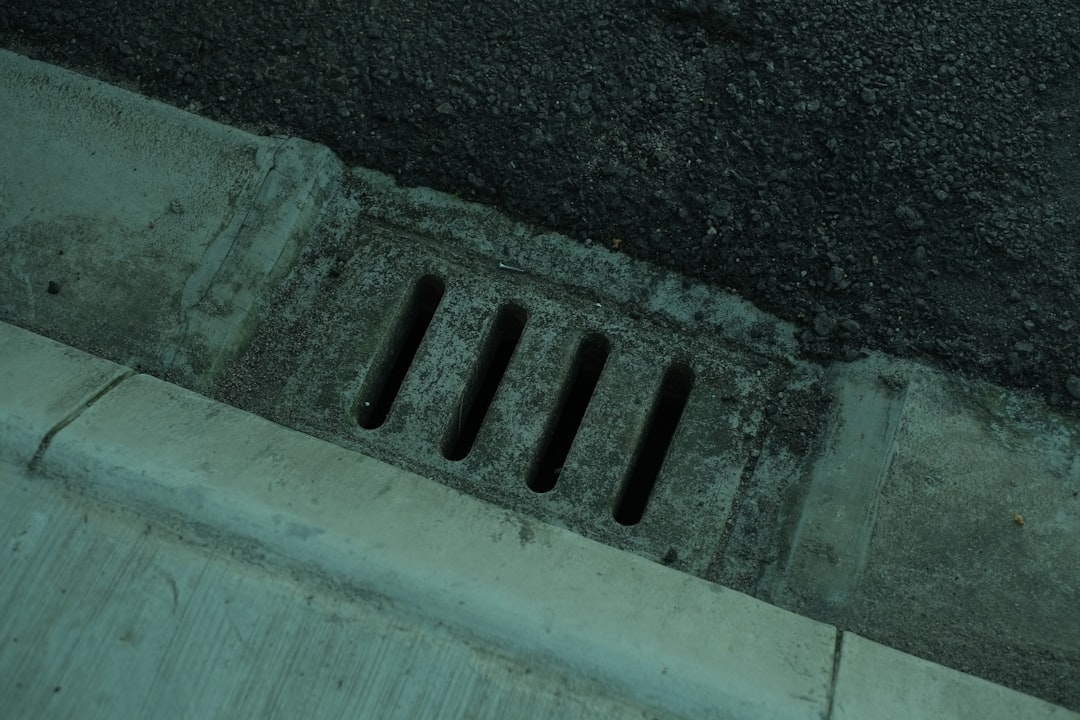
Gutters and downspouts that are clogged or improperly directed can lead to water pooling near the foundation. Similarly, inadequate grading around the property can cause water to flow toward the building rather than away from it. Over time, these issues can exacerbate seepage problems, leading to more severe consequences such as mold growth, structural instability, and damage to personal belongings.
Understanding these causes is essential for homeowners and property managers alike, as it allows them to take proactive measures to mitigate the risks associated with seepage.
Key Takeaways
- Seepage can be caused by factors such as heavy rainfall, poor drainage, or cracks in the foundation.
- Signs of seepage include water stains, peeling paint, or a musty odor in the affected area.
- A visual inspection can help identify visible signs of seepage, such as water pooling or damp spots.
- Using a moisture meter can help detect hidden moisture in walls or flooring, indicating potential seepage.
- Mold, mildew, or changes in flooring or walls can indicate long-term seepage issues that need to be addressed.
Recognizing Signs of Seepage
Identifying the signs of seepage early can save property owners from costly repairs and extensive damage. One of the most apparent indicators is the presence of water stains on walls or ceilings. These stains often appear as discolored patches that may be yellowish or brown in color, indicating that moisture has penetrated the material.
In some cases, these stains may also be accompanied by peeling paint or wallpaper, which further suggests that water is infiltrating the structure. Homeowners should be vigilant in checking for these signs, especially in areas prone to moisture accumulation, such as basements and crawl spaces. Another telltale sign of seepage is the presence of efflorescence on masonry surfaces.
Efflorescence appears as a white, powdery substance on brick or concrete walls and is caused by the crystallization of salts left behind when water evaporates. This phenomenon not only indicates that moisture is present but also suggests that there may be ongoing seepage issues that need to be addressed. Additionally, homeowners should be aware of any changes in their indoor environment, such as increased humidity levels or condensation on windows, which can also signal underlying seepage problems.
Conducting a Visual Inspection
A thorough visual inspection is a critical first step in identifying potential seepage issues within a property. Homeowners should begin by examining both the interior and exterior of their buildings for any visible signs of water intrusion. Inside the home, areas such as basements, crawl spaces, and bathrooms are particularly susceptible to moisture problems.
Inspecting these spaces for water stains, mold growth, or dampness can provide valuable insights into the extent of any seepage issues. On the exterior, property owners should look for cracks in the foundation or walls that may allow water to enter. These cracks can vary in size and severity; even small fissures can lead to significant problems if not addressed promptly.
Additionally, checking the condition of gutters and downspouts is essential; they should be clear of debris and properly directing water away from the foundation. Observing the grading around the property is also crucial; the ground should slope away from the building to prevent water from pooling near its base. By conducting a comprehensive visual inspection, homeowners can identify potential problem areas and take appropriate action before more severe damage occurs.
Using a Moisture Meter
In addition to visual inspections, utilizing a moisture meter can provide a more accurate assessment of moisture levels within a property. These devices measure the amount of moisture present in various materials, such as wood, drywall, and concrete. By taking readings in different areas of the home, property owners can pinpoint locations with elevated moisture levels that may indicate seepage issues.
For instance, if a moisture meter shows high readings in a basement wall but not in other areas of the home, this could suggest that water is infiltrating through that specific wall. Moisture meters come in two primary types: pin-type and pinless. Pin-type meters use metal probes to penetrate materials and measure moisture content directly, while pinless meters utilize electromagnetic signals to assess moisture levels without causing damage.
Each type has its advantages; pin-type meters can provide precise readings in specific areas, while pinless meters are useful for scanning larger surfaces quickly. Regardless of the type used, incorporating a moisture meter into regular property maintenance can help homeowners stay ahead of potential seepage problems by identifying issues before they escalate.
Checking for Mold and Mildew
Mold and mildew thrive in damp environments and are often direct indicators of underlying moisture issues such as seepage. Homeowners should regularly check for visible signs of mold growth in areas prone to moisture accumulation, including basements, bathrooms, and around windows. Mold can appear in various colors—black, green, or white—and may have a fuzzy or slimy texture.
In addition to visual inspections, property owners should also be aware of any musty odors that may indicate hidden mold growth behind walls or under flooring. The presence of mold not only poses health risks but also signifies that there is an ongoing moisture problem that needs to be addressed. If mold is detected, it is crucial to identify and rectify the source of moisture before attempting any remediation efforts.
This may involve repairing leaks, improving ventilation, or addressing drainage issues around the property. In some cases, professional mold remediation services may be necessary to ensure that all traces of mold are effectively removed and that the underlying moisture problem is resolved.
Observing Changes in Flooring or Walls

Changes in flooring or walls can serve as critical indicators of seepage issues within a property. Homeowners should be vigilant for signs such as warping or buckling in hardwood floors or tiles lifting away from their adhesive backing. These changes often occur when excessive moisture seeps into the subflooring or beneath tiles, leading to structural damage over time.
In addition to flooring issues, walls may exhibit signs such as cracking or bulging due to water infiltration behind them. It is essential for homeowners to address these changes promptly; ignoring them can lead to more severe structural problems and costly repairs down the line. For instance, if a wall begins to bulge outward due to water pressure from behind it, this could indicate significant seepage issues that require immediate attention.
By monitoring changes in flooring and walls regularly, property owners can take proactive measures to mitigate potential damage caused by seepage.
Monitoring Water Levels in Basements or Crawl Spaces
Basements and crawl spaces are particularly vulnerable to seepage due to their proximity to the ground and potential exposure to groundwater. Homeowners should regularly monitor water levels in these areas, especially after heavy rainfall or snowmelt events. A sudden increase in water levels can indicate that groundwater is rising or that there are drainage issues that need to be addressed.
In addition to monitoring water levels visually, property owners may consider installing sump pumps or drainage systems designed to manage excess water effectively. Sump pumps can help remove accumulated water from basements before it has a chance to cause damage while drainage systems can redirect water away from the foundation. By actively managing water levels in basements and crawl spaces, homeowners can significantly reduce their risk of experiencing severe seepage problems.
Noticing Musty Odors
Musty odors are often one of the first signs that homeowners notice when dealing with seepage issues. These odors typically arise from mold growth or damp materials within a property and can permeate living spaces if not addressed promptly. A musty smell may be particularly pronounced in areas with poor ventilation or high humidity levels, such as basements or bathrooms.
Identifying musty odors early on is crucial for preventing further damage caused by mold growth and moisture accumulation. Homeowners should investigate any areas where these odors are present and look for visible signs of mold or dampness. If necessary, improving ventilation through dehumidifiers or exhaust fans can help reduce humidity levels and mitigate musty odors while addressing any underlying moisture problems.
Examining Exterior Drainage
Proper exterior drainage is vital for preventing seepage issues around a property. Homeowners should examine their landscaping and drainage systems regularly to ensure they are functioning effectively. This includes checking gutters and downspouts for clogs or damage that could impede water flow away from the foundation.
Downspouts should extend at least five feet away from the building’s base to prevent water from pooling near the foundation. Additionally, grading around the property should slope away from the building to facilitate proper drainage during heavy rainfall or snowmelt events. If landscaping features such as flower beds or retaining walls direct water toward the foundation instead of away from it, this could exacerbate seepage problems over time.
By proactively managing exterior drainage systems and landscaping features, homeowners can significantly reduce their risk of experiencing seepage-related issues.
Consulting with a Professional
When dealing with potential seepage issues, consulting with a professional can provide valuable insights and solutions tailored to a property’s specific needs. Experts such as waterproofing contractors or structural engineers possess specialized knowledge regarding moisture management techniques and can conduct thorough assessments of a property’s condition. They can identify underlying causes of seepage that may not be immediately apparent during visual inspections.
Professional consultations often include recommendations for repairs or improvements needed to mitigate seepage risks effectively. This may involve installing drainage systems, repairing cracks in foundations or walls, or implementing waterproofing measures such as sealants or membranes. Engaging with professionals ensures that homeowners receive expert guidance tailored to their unique situations while helping them avoid costly mistakes associated with DIY repairs.
Taking Action to Address Seepage
Once potential seepage issues have been identified through inspections and assessments, taking prompt action is essential for preventing further damage and ensuring long-term stability within a property. Homeowners should prioritize addressing any visible signs of moisture intrusion by repairing cracks in foundations or walls using appropriate sealants designed for waterproofing purposes. In addition to repairs, implementing preventive measures such as improving drainage systems around the property can significantly reduce future risks associated with seepage.
This may involve installing French drains or sump pumps designed specifically for managing excess groundwater effectively while ensuring proper grading around the foundation remains intact. Regular maintenance practices—such as cleaning gutters regularly—can also help prevent future seepage problems by ensuring that water flows away from the building rather than pooling near its base over time. By taking proactive steps toward addressing existing issues while implementing preventive measures moving forward, homeowners can protect their properties from costly damage caused by seepage effectively.