Clogged drains are a common household issue that can lead to significant inconvenience and costly repairs if not addressed promptly. The causes of these clogs can vary widely, but they often stem from a combination of everyday activities and the natural wear and tear of plumbing systems. One of the primary culprits is the accumulation of debris, which can include hair, soap scum, food particles, and grease.
In kitchens, for instance, food scraps that are not properly disposed of can build up over time, creating a blockage that restricts water flow. Similarly, in bathrooms, hair and personal care products can combine to form dense clumps that obstruct pipes. Another significant factor contributing to clogged drains is the age and condition of the plumbing system itself.
Older pipes may be more susceptible to corrosion and buildup, leading to reduced diameter and increased likelihood of clogs. Tree roots can also infiltrate underground pipes, causing blockages that are difficult to detect until they result in serious drainage issues. Understanding these causes is crucial for homeowners, as it allows them to take proactive measures to prevent clogs before they become problematic.
Key Takeaways
- Clogged drains can be caused by a buildup of hair, soap scum, food scraps, grease, and other debris.
- Regular maintenance, such as flushing drains with hot water and vinegar, can help prevent clogs from forming.
- Choosing the right drain covers and filters can help prevent debris from entering the drain and causing clogs.
- Proper disposal of food scraps and grease, such as using a strainer in the kitchen sink, can prevent clogs from forming.
- Using hair catchers in the shower and bathroom sinks can prevent hair and other debris from clogging the drains.
Implementing regular maintenance to prevent clogs
Regular maintenance is essential for keeping drains clear and functional. Homeowners should consider establishing a routine that includes periodic inspections and cleanings of their plumbing systems. This can involve simple tasks such as flushing drains with hot water to help dissolve any grease or soap buildup.
Additionally, using a mixture of baking soda and vinegar can serve as a natural cleaning solution that helps break down organic matter without the harsh effects of chemical cleaners. Another effective maintenance strategy is to schedule professional plumbing inspections at least once a year. During these inspections, a plumber can identify potential issues before they escalate into major problems.
They can also provide recommendations tailored to the specific plumbing system in the home, ensuring that any vulnerabilities are addressed proactively. By investing time and resources into regular maintenance, homeowners can significantly reduce the risk of experiencing clogged drains.
Choosing the right drain covers and filters
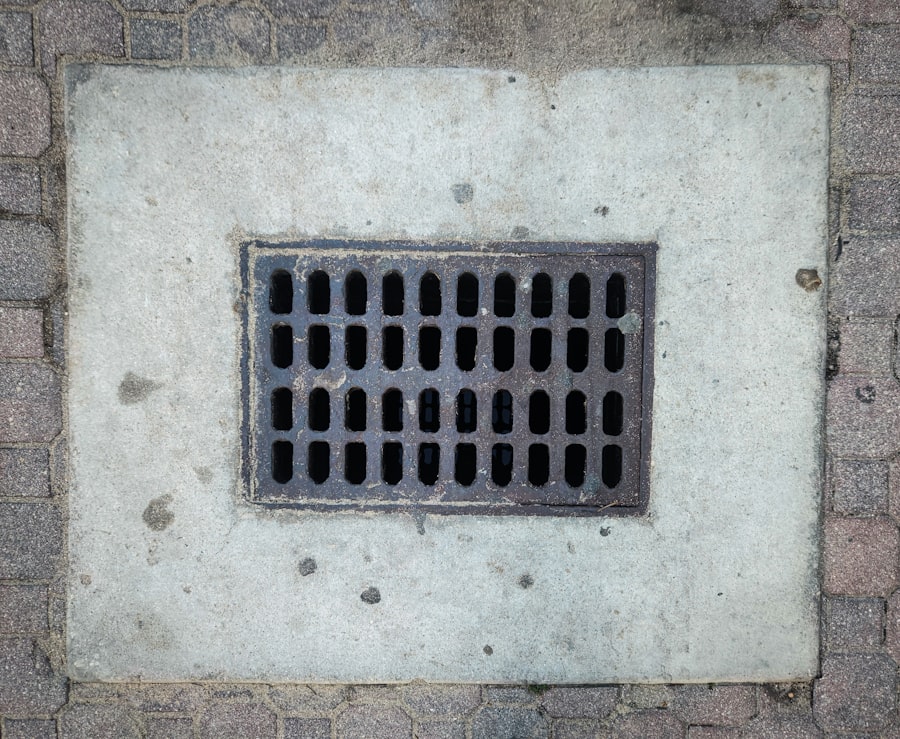
Selecting appropriate drain covers and filters is a practical step in preventing clogs from forming in the first place. These devices act as barriers that catch debris before it enters the plumbing system, significantly reducing the amount of material that can accumulate in pipes. For kitchen sinks, mesh strainers are particularly effective at capturing food particles while allowing water to flow freely.
In bathrooms, larger drain covers can trap hair and soap residue, preventing them from entering the drainage system. When choosing drain covers, it is important to consider the size and design that best fits each specific drain type. Some covers are designed with small holes to catch fine particles, while others may have larger openings for quicker drainage.
Homeowners should also ensure that these covers are easy to remove and clean, as regular maintenance of the covers themselves is necessary for optimal performance. By investing in high-quality drain covers and filters, homeowners can take a significant step toward preventing clogs and maintaining a healthy plumbing system.
Proper disposal of food scraps and grease
The kitchen is often the most problematic area when it comes to clogged drains, primarily due to improper disposal practices regarding food scraps and grease. Many people mistakenly believe that it is acceptable to wash grease down the sink or dispose of food waste in the drain. However, grease can solidify as it cools, creating a sticky residue that adheres to pipe walls and traps other debris.
This accumulation can lead to severe blockages over time. To mitigate this issue, homeowners should adopt proper disposal methods for food scraps and grease. Instead of pouring grease down the sink, it should be collected in a container and disposed of in the trash once it has cooled.
Food scraps should be placed in compost bins or garbage bags rather than being rinsed down the drain. By changing these habits, individuals can significantly reduce the likelihood of clogs forming in their kitchen drains.
Using hair catchers in the shower and bathroom sinks
Hair is one of the leading causes of clogs in bathroom drains, particularly in showers and sinks where hair tends to accumulate during grooming routines. To combat this issue effectively, homeowners should consider using hair catchers or strainers specifically designed for this purpose. These devices are typically made from flexible materials that fit snugly over or inside drains, capturing hair before it has a chance to enter the plumbing system.
In addition to using hair catchers, regular cleaning is essential for maintaining their effectiveness. Homeowners should make it a habit to remove trapped hair from these devices at least once a week or more frequently if needed. This simple practice not only helps prevent clogs but also ensures that water flows freely down the drain.
By incorporating hair catchers into their bathroom routines, individuals can take proactive steps toward maintaining clear drains.
Avoiding the use of chemical drain cleaners
While chemical drain cleaners may seem like a quick fix for clogged drains, they often do more harm than good. These products contain harsh chemicals that can damage pipes over time, especially if used frequently or improperly. Additionally, they may not effectively clear stubborn clogs caused by solid debris or buildup; instead, they can push the blockage further down the line, leading to more severe issues later on.
Homeowners should consider alternative methods for dealing with clogs instead of relying on chemical cleaners. Natural solutions such as baking soda and vinegar can be effective for minor blockages without posing risks to plumbing systems. For more serious clogs, mechanical methods like plungers or drain snakes are preferable as they physically remove obstructions without introducing harmful substances into the pipes.
By avoiding chemical drain cleaners, homeowners can protect their plumbing systems while still addressing drainage issues effectively.
Installing a garbage disposal unit
A garbage disposal unit can be an invaluable addition to any kitchen, providing an efficient way to manage food waste while minimizing the risk of clogged drains. These devices work by grinding food scraps into small particles that can easily pass through plumbing systems without causing blockages. When installed correctly and used appropriately, garbage disposals can significantly reduce the amount of organic material entering drains.
However, it is essential for homeowners to understand what types of food waste are suitable for disposal units. While many soft foods like fruits and vegetables are safe to grind, fibrous materials such as celery or large bones should be avoided as they can damage the unit or create clogs downstream. Regular maintenance of the garbage disposal is also crucial; running cold water while using the unit helps flush out any remaining particles and prevents buildup within the system.
Using a drain snake or auger for minor clogs
For minor clogs that do not respond to basic cleaning methods, using a drain snake or auger can be an effective solution. These tools are designed to reach deep into pipes and dislodge obstructions that may be causing drainage issues. A drain snake consists of a long flexible cable with a coiled end that can grab onto debris or break up blockages as it is pushed through the pipe.
When using a drain snake, it is important to follow proper techniques to avoid damaging pipes or worsening the clog. Homeowners should insert the snake gently into the drain until they encounter resistance, then twist and push it further into the blockage. Once the obstruction has been dislodged, flushing the drain with hot water can help clear any remaining debris.
This method provides an effective way to address minor clogs without resorting to harsh chemicals or professional services.
Seeking professional help for persistent clogs
While many clogs can be managed with DIY methods, there are instances where professional intervention is necessary. Persistent clogs that do not respond to home remedies or mechanical tools may indicate deeper issues within the plumbing system that require expert attention. Professional plumbers have access to specialized equipment such as video inspection cameras that allow them to diagnose problems accurately without invasive procedures.
In addition to diagnosing issues, professional plumbers can provide solutions tailored to specific situations. They may recommend repairs or replacements for damaged pipes or suggest preventive measures based on their findings during inspections. Seeking professional help not only resolves immediate drainage problems but also helps prevent future issues by addressing underlying causes effectively.
Educating household members about proper drain care
Education plays a vital role in maintaining clear drains within a household. All members of the family should be informed about proper practices regarding what can and cannot be disposed of down sinks and toilets. For instance, children should be taught not to flush items like wipes or paper towels, which can lead to severe blockages in plumbing systems.
Regular discussions about drain care can reinforce good habits among household members. Creating visual reminders near sinks or toilets about what should be thrown away versus what can go down the drain may also help instill these practices in daily routines. By fostering an environment where everyone understands their role in maintaining clear drains, households can significantly reduce the likelihood of experiencing clogs.
Creating a routine for drain maintenance
Establishing a routine for drain maintenance is essential for preventing clogs and ensuring optimal plumbing performance over time. Homeowners should consider setting aside specific times each month for tasks such as cleaning drain covers, flushing pipes with hot water, and inspecting areas prone to buildup like kitchen sinks and bathroom drains. In addition to monthly maintenance tasks, seasonal checks can be beneficial as well—especially before heavy usage periods like holidays when cooking and entertaining increase kitchen activity.
During these checks, homeowners should look for signs of wear on plumbing fixtures and consider scheduling professional inspections if any concerns arise. By creating a structured routine around drain maintenance, individuals can proactively manage their plumbing systems and minimize disruptions caused by clogged drains.
Leave a Reply